1947 · Partition
The worst communal riots
India and Pakistan suffer "some of the worst communal riots" at Partition — communalism's most ugly form made real.
1950 · Constitution
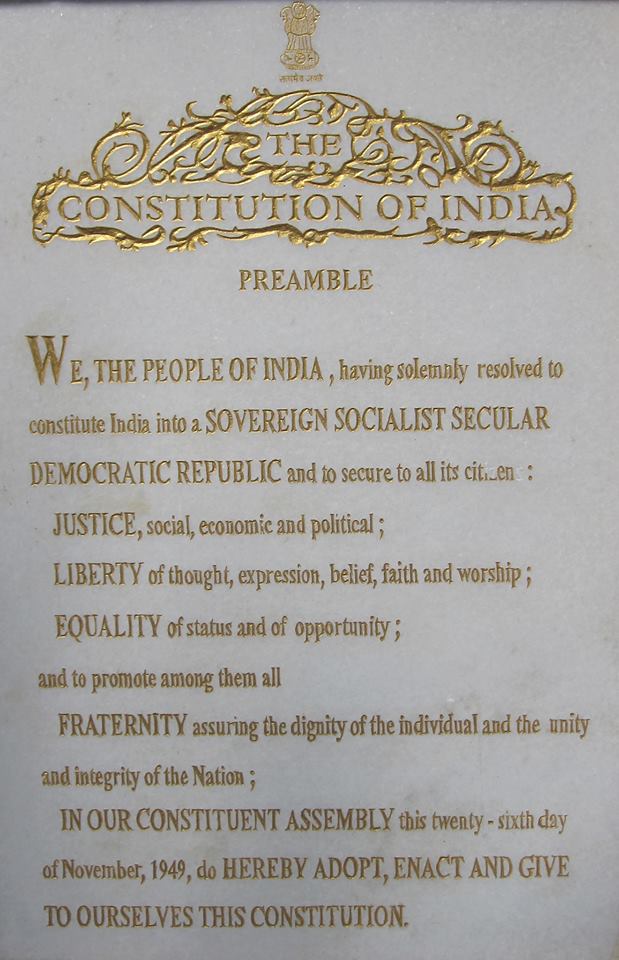
A secular state is chosen
The makers of the Constitution, aware of communalism, adopt the secular model — no official religion, freedom of faith, no discrimination, power to intervene for equality. Caste-based discrimination prohibited.
1976
Equal Remuneration Act
Equal wages for equal work becomes law — yet women are still paid less in sports, cinema, factories and fields for identical work.
1996 → 2010
Women's Reservation Bill introduced — again and again
Proposed repeatedly across Lok Sabhyas; cleared by Rajya Sabha in 2010 but never voted in the Lok Sabha.
1998-99
Time-Use Survey (six states)
Women average 7.5 hrs of work daily vs men's 6.5 — her extra hour is unpaid and invisible household labour.
1999-2000
NSSO 55th Round — poverty data
Rural poverty: Scheduled Tribes 45.8%, Scheduled Castes 35.9%, OBC 27% — but Hindu upper castes only 11.7%. Caste and economic status remain strongly linked.
2004-05
NSS estimate of OBC population
The Census doesn't count OBCs; the National Sample Survey puts them at ~41% — making SC+ST+OBC about two-thirds of India.
2011 · Census
Child sex ratio 919 · religion data
Girl children per thousand boys fall to 919 (below 850/800 in some states). Religion: Hindus 79.8%, Muslims 14.2%, Christians 2.3%, Sikhs 1.7%.
2019
Lok Sabha touches 14.36%
Women's share of the Lok Sabha crosses 14% for the first time — still among the world's bottom group; assemblies remain below 5%.
2023
Nari Shakti Vandan Adhiniyam
The Women's Reservation Act passes after decades: 33% reservation in the Lok Sabha, State Assemblies and the Delhi Assembly.